Ilias Petrou and the roots of naturopathy in Greece
Author: Nikolaos Vrousgos ·
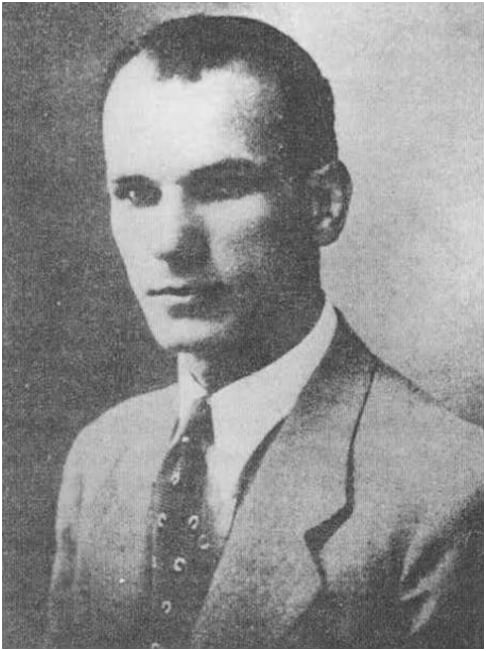
Ilias Petrou · Image supplied for this tribute.
Ilias Petrou was a pioneering voice of naturopathy and natural therapeutics in Greece during the 1930s. A Greek author with a strong public presence through his books and lectures, he placed nutrition, movement and the relationship between people and nature at the heart of his work. He championed the belief that people play an active role in caring for their health, leaving a literary legacy that continues to introduce his ideas to new generations of readers.
From Vovousa to public attention
Ilias Petrou came from Vovousa in Zagori. According to the biographical notes accompanying his work, he studied in America and returned to Greece in 1935. His books and lectures became the means through which he presented his views to the Greek public and attracted the interest of society at the time.
Publishers’ descriptions refer to him as a physician and physiotherapist. Those particular biographical notes, however, do not name the institution where he studied or identify his precise qualifications.
His approach was associated with “Natural Hygiene”, a historical tradition linked to the development of naturopathy. This context helps us better understand the language of his books and the ideas he advocated.
Health through lifestyle
At the heart of Petrou’s thinking was a question running through his work: the relationship between everyday habits and health.
In “Natural Hygiene”, he emphasised the need to examine the conditions preceding illness. He believed that caring for health required meaningful attention to lifestyle and personal habits. Nutrition, movement and the environment therefore held a central place in his own understanding of therapeutics.
Within this approach, he advocated fasting, an alkaline diet and fruit-based regimens, including the well-known “grape cure”. Physical exercise, fresh-air treatments and sun exposure also featured prominently in his practices. These were methods he proposed and presented within the historical and theoretical framework of his time.
In his thinking, everyday life became a setting for care: what we eat, how we move and the conditions in which we live.
His ideas reach the public
Writing and lectures gave Petrou’s views a public presence. The iZagori biographical tribute reports that his ideas gained a following and that his books were introduced into schools and military academies. This account indicates the extent of the influence attributed to him in later biographical sources.
For today’s reader, this aspect of his life opens an interesting field of study: how health was discussed at the time, which ideas found an audience, and how an author could bring his convictions into public life.
His books provide a starting point for exploring these questions through his own voice.
The books that preserved his voice
Petrou’s writing was concentrated in a short but active period. His bibliography includes:
Φυσική Υγιεινή (Natural Hygiene) — 1935
Υγιεινή και θεραπευτική δίαιτα (Hygienic and Therapeutic Diet) — 1936
Γυμναστική και Υγεία (Exercise and Health) — 1937
Φυσιοθεραπευτική (Natural Therapeutics) — 1937
Σταφυλοθεραπεία (The Grape Cure) — 1938
Πώς πρέπει να τρέφεσθε (How You Should Eat) — 1938.
The collected edition “Το Βιβλίο της Θεραπείας” (The Book of Healing) brings together the three volumes of “Φυσιοθεραπευτική” and “Γυμναστική και Υγεία”. Later editions allow readers to return to his texts and encounter his positions through his own work.
These titles reflect his sustained engagement with nutrition, physical activity and natural therapeutics. Reading them in the context of their time helps us understand both his explorations and his place in the history of these approaches. English renderings of the Greek book titles here are descriptive translations.
The end of his life and the accounts that followed
Ilias Petrou died in 1939. Later accounts developed around his death, including allegations of murder and links to financial interests. Such claims appear in features including the WomanTOC tribute, without accompanying police or judicial records there to confirm them.
These allegations require careful archival investigation before they can be presented as historical facts. Searching for evidence is part of respecting his memory: every new source may help us understand his life more fully and describe his journey accurately.
His legacy in naturopathy
Today, Ilias Petrou’s name leads us back to his books. There we encounter his convictions, his understanding of health and his efforts to communicate his ideas to the public.
Studying his work can enrich our understanding of the history of naturopathy in Greece. It offers an opportunity to examine its origins, understand the period in which these ideas developed, and continue the discussion with careful attention to sources.
A tribute becomes meaningful when it inspires this encounter: with the person, his writings and the questions he left behind.
The most meaningful tribute to Ilias Petrou is to open his books again and keep the study of his work alive.
Sources & further reading
The following include later biographical features and bibliographical or publishers’ descriptions. They do not constitute primary archival verification of qualifications or the circumstances of death.
Ηλίας Πέτρου και οι ρίζες της φυσιοπαθητικής στην Ελλάδα
Συγγραφέας: Νικόλαος Βρούσγος ·
Ηλίας Πέτρου · Φωτογραφία που παραχωρήθηκε για το αφιέρωμα.
Ο Ηλίας Πέτρου υπήρξε μια πρωτοποριακή φωνή της φυσιοπαθητικής και της φυσικής θεραπευτικής στην Ελλάδα της δεκαετίας του 1930. Έλληνας συγγραφέας με έντονη παρουσία μέσα από τα βιβλία και τις διαλέξεις του, έθεσε στο επίκεντρο του έργου του τη διατροφή, την κίνηση και τη σχέση του ανθρώπου με τη φύση. Υπερασπίστηκε την πεποίθηση ότι ο άνθρωπος έχει ενεργό ρόλο στη φροντίδα της υγείας του, αφήνοντας μια συγγραφική παρακαταθήκη που εξακολουθεί να φέρνει τις ιδέες του σε επαφή με νέες γενιές αναγνωστών.
Από τη Βωβούσα στο προσκήνιο
Ο Ηλίας Πέτρου καταγόταν από τη Βωβούσα Ζαγορίου. Σύμφωνα με τα βιογραφικά σημειώματα που συνοδεύουν το έργο του, σπούδασε στην Αμερική και επέστρεψε στην Ελλάδα το 1935. Τα βιβλία και οι διαλέξεις του έγιναν τα μέσα με τα οποία παρουσίασε τις απόψεις του στο ελληνικό κοινό και προκάλεσε το ενδιαφέρον της κοινωνίας της εποχής.
Οι εκδοτικές παρουσιάσεις τον αναφέρουν ως ιατρό και φυσιοθεραπευτή. Τα συγκεκριμένα βιογραφικά σημειώματα, ωστόσο, δεν κατονομάζουν το εκπαιδευτικό ίδρυμα στο οποίο σπούδασε ούτε προσδιορίζουν τους ακριβείς τίτλους σπουδών του.
Η προσέγγισή του συνδέθηκε με τη «Φυσική Υγιεινή», μια ιστορική παράδοση που σχετίζεται με την ανάπτυξη της φυσιοπαθητικής. Μέσα σε αυτό το πλαίσιο μπορούμε να κατανοήσουμε καλύτερα τη γλώσσα των βιβλίων του και τις ιδέες που υποστήριξε.
Η υγεία μέσα από τον τρόπο ζωής
Στον πυρήνα της σκέψης του Πέτρου βρισκόταν ένα ζήτημα που διαπερνούσε το έργο του: η σχέση ανάμεσα στις καθημερινές συνήθειες και την υγεία.
Στη «Φυσική Υγιεινή» υπογράμμιζε την ανάγκη να εξετάζονται οι συνθήκες που προηγούνται της ασθένειας. Θεωρούσε ότι η φροντίδα της υγείας απαιτούσε ουσιαστική ενασχόληση με τον τρόπο ζωής και με τις συνήθειες του ανθρώπου. Η διατροφή, η κίνηση και το περιβάλλον αποκτούσαν έτσι κεντρική θέση στη δική του θεραπευτική αντίληψη.
Στο πλαίσιο αυτής της προσέγγισης υποστήριζε τη νηστεία, την αλκαλική διατροφή και τη φρουτοθεραπεία, στην οποία εντασσόταν η γνωστή «σταφυλοθεραπεία». Ιδιαίτερη θέση στις πρακτικές του είχαν επίσης η σωματική άσκηση, η αεροθεραπεία και η ηλιοθεραπεία. Αυτές ήταν οι μέθοδοι που πρότεινε και παρουσίαζε μέσα στο ιστορικό και θεωρητικό πλαίσιο της εποχής του.
Η καθημερινότητα γινόταν, στη σκέψη του, πεδίο φροντίδας: τι τρώμε, πώς κινούμαστε και σε ποιες συνθήκες ζούμε.
Οι ιδέες του συναντούν το κοινό
Η συγγραφή και οι διαλέξεις έδωσαν στις απόψεις του Πέτρου δημόσια παρουσία. Το βιογραφικό αφιέρωμα του iZagori αναφέρει ότι οι ιδέες του απέκτησαν απήχηση και ότι βιβλία του εισήχθησαν σε σχολεία και στρατιωτικές σχολές. Η αναφορά αυτή δείχνει το εύρος της επιρροής που του αποδίδεται στις μεταγενέστερες βιογραφικές πηγές.
Για τον σημερινό αναγνώστη, αυτή η πλευρά της διαδρομής του ανοίγει ένα ενδιαφέρον πεδίο μελέτης: πώς συζητούνταν τότε η υγεία, ποιες ιδέες έβρισκαν ακροατήριο και πώς ένας συγγραφέας μπορούσε να μεταφέρει τις πεποιθήσεις του στη δημόσια ζωή.
Τα βιβλία του προσφέρουν την αφετηρία για να εξετάσουμε αυτά τα ερωτήματα μέσα από τη δική του φωνή.
Τα βιβλία που διατήρησαν τη φωνή του
Η συγγραφική παραγωγή του Πέτρου συγκεντρώνεται σε ένα σύντομο αλλά δραστήριο διάστημα. Στη βιβλιογραφία του καταγράφονται, μεταξύ άλλων:
Φυσική Υγιεινή — 1935
Υγιεινή και θεραπευτική δίαιτα — 1936
Γυμναστική και Υγεία — 1937
Φυσιοθεραπευτική — 1937
Σταφυλοθεραπεία — 1938
Πώς πρέπει να τρέφεσθε — 1938.
Η συγκεντρωτική έκδοση «Το Βιβλίο της Θεραπείας» περιλαμβάνει τους τρεις τόμους της «Φυσιοθεραπευτικής» και τη «Γυμναστική και Υγεία». Οι μεταγενέστερες εκδόσεις επιτρέπουν στους αναγνώστες να επιστρέφουν στα κείμενά του και να γνωρίζουν τις θέσεις του μέσα από το ίδιο το έργο του.
Οι τίτλοι αυτοί αποτυπώνουν τη σταθερή του ενασχόληση με τη διατροφή, τη σωματική δραστηριότητα και τη φυσική θεραπευτική. Διαβάζοντάς τους μέσα στο πλαίσιο της εποχής τους, μπορούμε να κατανοήσουμε τόσο τις αναζητήσεις του όσο και τη θέση του στην ιστορία αυτών των προσεγγίσεων.
Το τέλος της ζωής του και οι αφηγήσεις που ακολούθησαν
Ο Ηλίας Πέτρου πέθανε το 1939. Γύρω από το τέλος του αναπτύχθηκαν μεταγενέστερες αφηγήσεις, ανάμεσά τους ισχυρισμοί περί δολοφονίας και σύνδεσης του θανάτου του με οικονομικά συμφέροντα. Τέτοιες αναφορές εμφανίζονται σε αφιερώματα όπως εκείνο του WomanTOC, χωρίς να συνοδεύονται εκεί από αστυνομικά ή δικαστικά τεκμήρια που να τις επιβεβαιώνουν.
Οι ισχυρισμοί αυτοί απαιτούν προσεκτική αρχειακή διερεύνηση πριν παρουσιαστούν ως ιστορικά γεγονότα. Η αναζήτηση τεκμηρίων αποτελεί μέρος του σεβασμού προς τον ίδιο: κάθε νέα πηγή μπορεί να βοηθήσει να γνωρίσουμε πληρέστερα τη ζωή του και να αποδώσουμε με ακρίβεια τη διαδρομή του.
Η παρακαταθήκη του στη φυσιοπαθητική
Σήμερα, το όνομα του Ηλία Πέτρου μάς οδηγεί ξανά στα βιβλία του. Εκεί συναντούμε τις πεποιθήσεις του, τον τρόπο με τον οποίο αντιλαμβανόταν την υγεία και την προσπάθειά του να μεταδώσει τις ιδέες του στο κοινό.
Η μελέτη του έργου του μπορεί να εμπλουτίσει τη γνώση μας για την ιστορία της φυσιοπαθητικής στην Ελλάδα. Μας δίνει την ευκαιρία να εξετάσουμε τις καταβολές της, να κατανοήσουμε την εποχή μέσα στην οποία αναπτύχθηκαν αυτές οι αντιλήψεις και να συνεχίσουμε τον διάλογο με προσοχή στις πηγές.
Ένα αφιέρωμα αποκτά ουσία όταν γεννά την επιθυμία για αυτή τη συνάντηση: με τον άνθρωπο, με τα κείμενά του και με τα ερωτήματα που άφησε πίσω του.
Ο πιο ουσιαστικός φόρος τιμής στον Ηλία Πέτρου είναι να ανοίξουμε ξανά τα βιβλία του και να κρατήσουμε ζωντανή τη μελέτη του έργου του.
Πηγές & περαιτέρω ανάγνωση
Οι παρακάτω πηγές περιλαμβάνουν μεταγενέστερα βιογραφικά αφιερώματα και βιβλιογραφικές ή εκδοτικές παρουσιάσεις. Δεν αποτελούν επιβεβαίωση τίτλων σπουδών ή των συνθηκών θανάτου από πρωτογενή αρχεία.